- Football News
- Transfer Updates
- Football News
- Transfer Updates
Boxing Celebrity News“The Watch Deal That Went Wrong: How a Missing Logo Turned Terence Crawford’s Retirement Into a Legal Nightmare”
Peter GraceDecember 22, 20253 Mins read

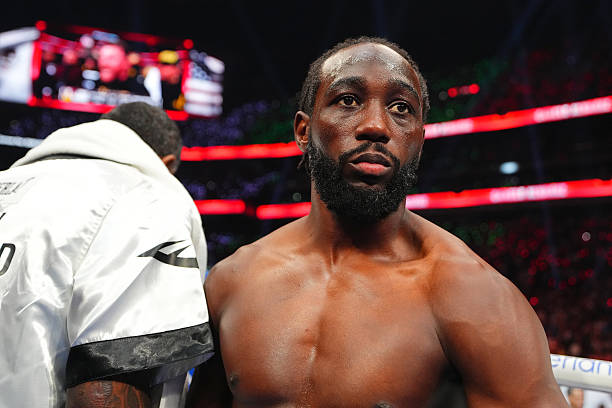
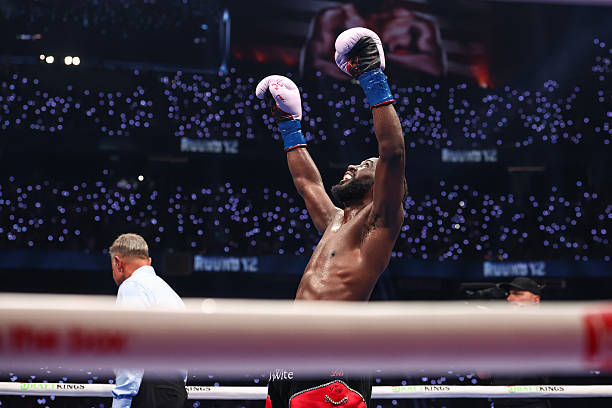
Just days ago, Terence “Bud” Crawford stood on the sport’s highest peak, announcing his retirement as one of boxing’s most respected and accomplished champions. Fans celebrated his legacy. Pundits praised his discipline, skill, and quiet dominance across multiple weight classes. It was supposed to be a clean ending — the kind elite fighters dream of.
Instead, Crawford now finds himself in a very different arena.
Not a ring.
Not a weigh-in stage.
But a courtroom.A Stunning Turn After Retirement
On December 18, 2025, only days after Crawford publicly confirmed he was stepping away from boxing, a New York-based luxury jeweler, Mazza New York, filed a civil lawsuit against him seeking $1.5 million in damages.
The timing alone raised eyebrows. Retirement announcements usually signal peace, reflection, and victory laps. For Crawford, it has triggered scrutiny, questions, and an uncomfortable legal spotlight.
At the center of the dispute is something that sounds simple — even trivial — on the surface: a watch.
But as with most things involving elite athletes and high-dollar branding, the details tell a much bigger story.
The Deal That Sparked the Dispute
According to the lawsuit, Crawford entered into a promotional agreement with Mazza New York involving a luxury Patek Philippe timepiece. The arrangement was straightforward in concept: Crawford would receive a discounted price on the watch, and in return, he would promote the jeweler by displaying their logo on his fight trunks during major bouts.
For a fighter of Crawford’s stature, this kind of deal is common. Fighters are walking billboards on fight night, and every inch of their gear carries value. Logos aren’t just decoration — they’re contracts stitched into fabric.
The problem, according to the jeweler, is that the promotion never truly happened.
A Logo That Didn’t Stay Put
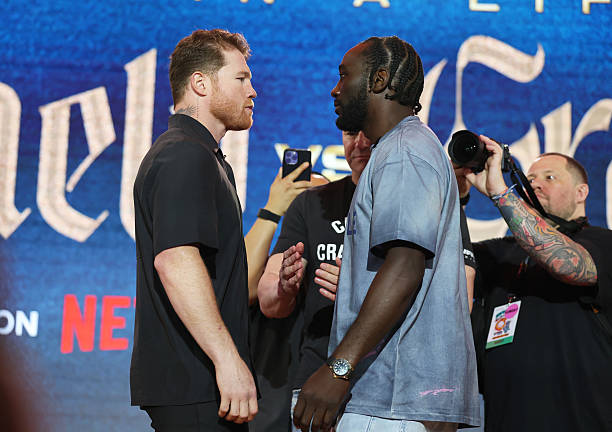
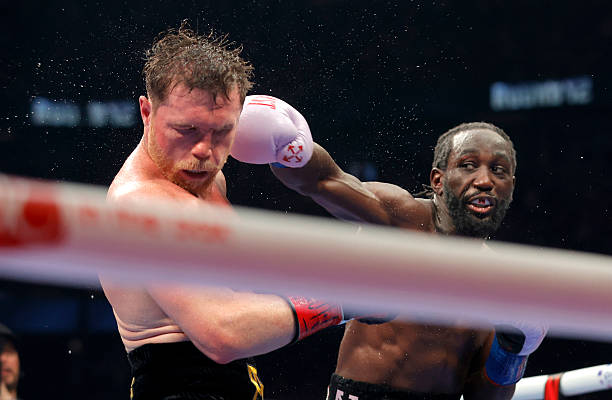
The lawsuit claims that during Crawford’s fight against Israil Madrimov, the Mazza New York logo fell off his trunks mid-fight. Worse still, the jeweler alleges that the logo was completely absent during Crawford’s high-profile bout against Canelo Alvarez — the very kind of global stage the promotion was meant for.
From the jeweler’s perspective, that absence wasn’t a mistake. It was a breach.
In luxury branding, visibility is everything. A single appearance on a major pay-per-view can be worth more than months of advertising. The suit argues that Crawford failed to deliver the exposure that justified the discounted watch, turning what should have been a mutually beneficial deal into a financial loss.
Why This Isn’t Just About a Watch
To casual fans, the lawsuit might sound petty. A logo fell off. A patch was missing. Why does that equal $1.5 million?
But in the business of elite sports, image placement is currency. The higher the athlete’s profile, the higher the stakes. Crawford wasn’t just another fighter — he was a pound-for-pound star, headlining fights watched by millions.
The lawsuit essentially claims that Crawford’s brand value was sold, partially paid for, and then never delivered.
Whether that claim holds up in court remains to be seen, but the financial demand reflects the scale of exposure the jeweler says it lost.
A Complicated Moment for Crawford’s Legacy
What makes this situation particularly delicate is its timing.
Crawford retired on his own terms — undefeated, respected, and rarely involved in public controversy. His reputation has long been built on professionalism and focus. This lawsuit threatens to complicate that narrative, even if it ultimately gets resolved quietly.
Fair or not, legal disputes tend to linger in public memory longer than championship belts.
For fans, it introduces an uncomfortable contrast: the disciplined technician in the ring versus the athlete now accused of mishandling business outside of it.
Business, Boxing, and the Fine Print
This case also highlights a recurring issue in modern boxing — the blurred line between fighters as athletes and fighters as brands.
Most boxers rely on teams to manage sponsorship details, gear placement, and contractual obligations. If a logo falls off or never appears, responsibility can be shared, disputed, or misunderstood. But legally, the name on the contract is what matters.
If Crawford personally signed the agreement, the court will focus less on intent and more on delivery.
Did the promotion happen as agreed?
If not, who is responsible?
And what is the financial value of that failure?What Happens Next?
As of now, Crawford has not publicly responded to the lawsuit. That silence may be strategic, but it leaves room for speculation. The case could be settled privately, dismissed, or dragged into a prolonged legal battle — none of which are ideal bookends to a Hall of Fame career.
What’s clear is that retirement doesn’t always mean the fight is over.
Sometimes, it just changes form.
For Terence Crawford, the punches have stopped, the gloves are off, and the final test of his career may not be about speed, power, or ring IQ — but contracts, responsibility, and reputation.
And unlike boxing, this is one fight he can’t win by knockout.
Related Articles
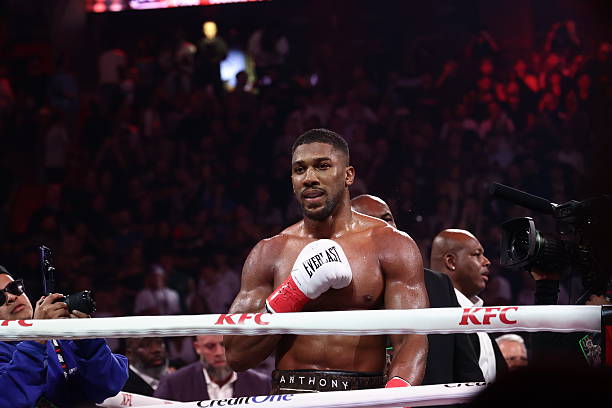
“After Death, Pain, and Months Away From Boxing — Anthony Joshua Is Finally Returning, and the World Is Watching”
For months, the boxing world wondered if Anthony Joshua would ever truly...
“From Boxing King to Career Collapse? Gervonta Davis’ Stunning Fall Leaves Fans Shocked and the Lightweight Division in Chaos”
For years, Gervonta Davis looked untouchable. Explosive power. Sold-out arenas. Viral knockouts....
“$10,000 Bet, Brutal Honesty, and a Surprise Gym Visit—Terence ‘Bud’ Crawford Is Stirring Chaos Without Throwing a Punch!”
In a sport where silence can be strategic and words can ignite...
“I’D RATHER RETIRE THAN RELIVE THAT NIGHT!” Canelo’s Chilling Confession as Crawford Holds the Pen on a $100M Rematch—But a Secret Weight Class Twist Changes Everything.
The air in the high-rise boardroom was thick enough to cut with...
- Transfer Updates
- Transfer Updates





















Leave a comment