- Football News
- Transfer Updates
- Football News
- Transfer Updates
Club News“Liverpool Chaos: Salah’s Shock Exit Rumours Explode as Arne Slot Blames ‘Self-Inflicted Slump’ After Leeds Thriller!”
Peter GraceDecember 8, 20253 Mins read

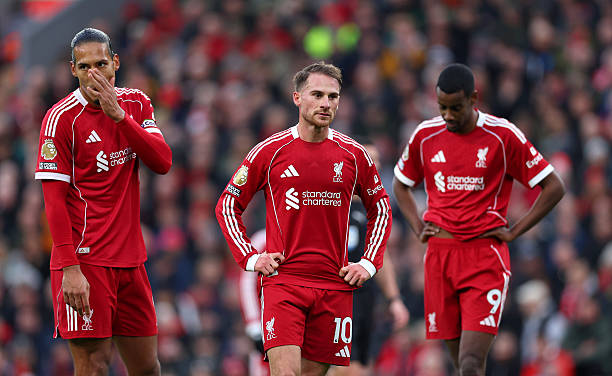
The final whistle at Anfield wasn’t met with a roar, a groan, or even a bewildered silence. It was met with a dense, heavy fog of déjà vu. Liverpool 3, Leeds United 3. A point snatched from the jaws of victory, a defensive carnival of errors, and a familiar, sinking feeling rising from the Kop. But this wasn’t just another draw. This was a vignette, a perfect, painful short film capturing the central conflict of Liverpool’s new era. And the post-match script was written by two men: a furious superstar and a frustrated new manager uttering a phrase that cuts to the bone.
Arne Slot, the architect brought in to evolve a dynasty, stood in the technical area, his usual calm replaced by pale, stark honesty. “Self-inflicted,” he called it. Not unlucky. Not a referee’s error. Not a moment of opposing genius. Self-inflicted. In two words, he ripped away the excuse of transition and laid the wound bare. This wasn’t about learning a new system; this was about a team, once defined by its robotic relentlessness, now guilty of football’s original sin: gifting goals. The third Leeds goal wasn’t a tactical masterclass; it was a comedy of errors, a panic-stricken pinball in their own box that would embarrass a schoolyard side. Slot’s word choice was a deliberate, public challenge to his squad’s mentality. The message was clear: the first pillar of the Liverpool empire—fortress-like defensive resolve—is crumbling, and you are the ones swinging the hammers.
But the tremor on the pitch was nothing compared to the earthquake brewing off it. All eyes, all camera lenses, were pinned to Mohamed Salah as he trudged down the tunnel. The usual forceful stride was gone, replaced by a slow, heavy walk. His face, normally an unreadable mask of focus, was a storm cloud. He ignored outstretched hands, offered no acknowledgement to teammates. This was more than the frustration of a dropped lead; this was the body language of profound discontent. The rumors, previously whispered in tabloid corners, now screamed in HD. The reported unhappiness with the new tactical demands, the perceived scaling back of his central role, the identified “replacement” being scouted for January—it all coalesced in that one, silent, furious walk.
And here lies the brutal, intertwined narrative of modern Liverpool. The “self-inflicted” slump on the pitch is mirroring a potentially self-inflicted crisis off it.
Is Salah’s palpable frustration a product of the team’s new, inconsistent identity? Or is the team’s fragility a symptom of its legendary goalscorer feeling disconnected and unsettled? It’s a chicken-and-egg dilemma that threatens to define Slot’s early reign. Salah is not just a player; he is the last remaining pillar of the Klopp trinity, the constant in the equation since Mané and Firmino departed. He is the human bridge between the glory of the past and the uncertainty of the future. If that bridge is shaking, what foundation is left?
Slot’s project was never going to be seamless. Evolution never is. But the blueprint assumed a stable core. It assumed that while the team learned a new, more controlled rhythm, its old heart—Salah’s explosive certainty, Van Dijk’s imperious command—would keep it beating through the stutters. Instead, that very core is showing cracks. The defensive leaks are “self-inflicted” lapses of concentration, perhaps stemming from a collective uncertainty. The attacking stutters may be linked to a talisman whose mind seems elsewhere, whose future is a daily subject of speculation.
The draw with Leeds, therefore, is not an isolated result. It is a haunting preview. A preview of a season where every dropped point will be psychoanalyzed through Salah’s expression. Where every defensive mistake will be tagged with Slot’s “self-inflicted” diagnosis. It is the story of a manager trying to build a new wall with bricks that are still loyal to the old architect, and of a king who might be plotting his exit as the new ruler lays down the law.
The most terrifying part of Slot’s admission? Everyone in the stadium knew he was right. They’d seen the own goals, the missed tackles, the stray passes. They’d also seen Salah’s face. The truth is now out in the open, “self-inflicted” and simmering. The question for Liverpool is no longer about fixing a tactic, but about repairing a psyche and mending a relationship. Because if they don’t, the wounds they are inflicting won’t just be on a league table—they could be fatal to an era that has barely begun. The Anfield fog won’t lift until they decide to stop creating it themselves.
Related Articles
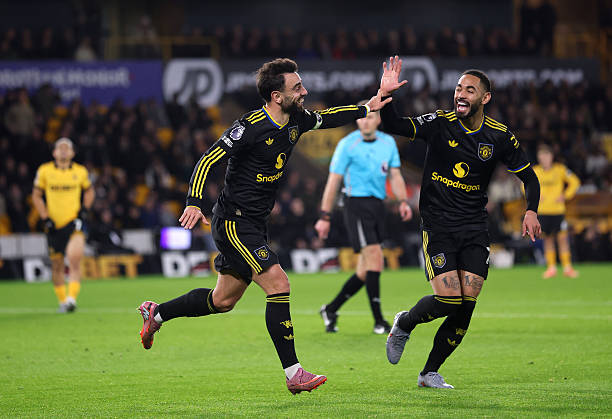
“Bruno Fernandes DESTROYS Wolves: Manchester United Run Riot in a Stunning 4-1 Masterclass!”
The final whistle blew at Molineux, and the numbers glowed on the...
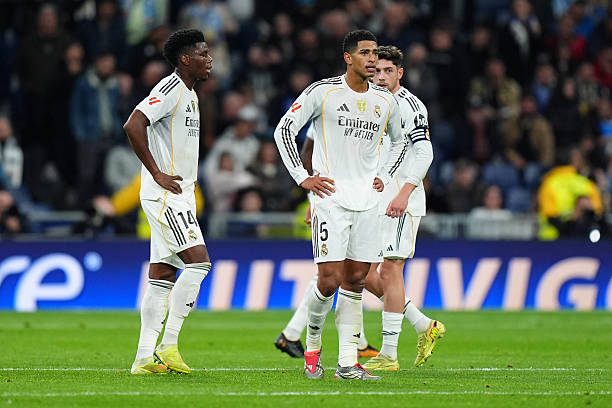
“Bernabéu SHOCKWAVE: Real Madrid Collapse With Nine Men in Stunning 0-2 Defeat to Celta Vigo!”
The cathedral of football, the Santiago Bernabéu, is built for symphonies. It...
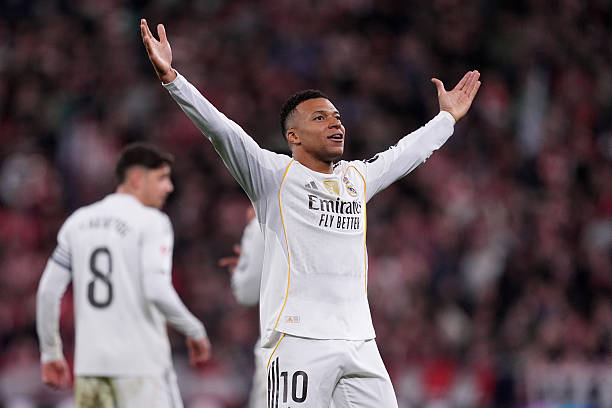
“MADRID ECSTASY TURNS INTO PANIC! Mbappé Brace & Trent’s First Assist Overshadowed by DOUBLE Injury Blow!”
The script was perfect. A tense, simmering night at the Bernabéu. The...
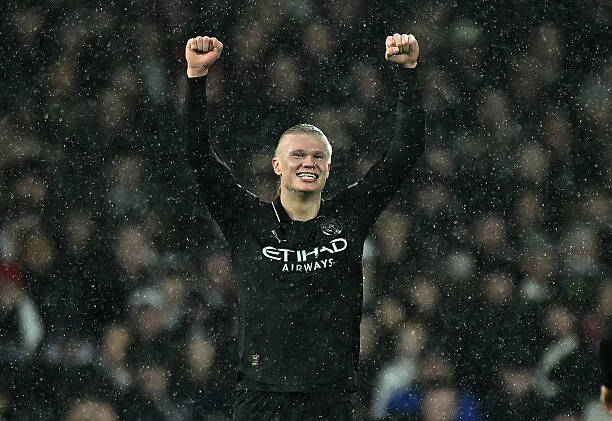
“MADNESS at the Etihad! Haaland Hits 100 as Man City Survive CHAOS in 9-Goal Thriller!”
Haaland Hit 100. Foden Was Flawless. And Pep Guardiola Wanted To Scream....
- Transfer Updates
- Transfer Updates













Leave a comment