
- Football News
- Transfer Updates
- Football News
- Transfer Updates
Celebrity NewsFootball News“MESSI DOES IT AGAIN! Inter Miami Star Makes History With Back-to-Back MLS MVP Titles in 2025!”
Peter GraceDecember 9, 20253 Mins read

The headline is simple, almost inevitable: Lionel Messi wins 2025 MLS MVP. For the second straight year. The press release will tout the gaudy numbers, the inevitable march of a legend collecting another piece of hardware in a storied career. Critics will yawn, calling it a foregone conclusion in a “retirement league.” They’ll reduce it to a transaction: the greatest player in history, adding a decorative trophy to his cabinet.
They are missing the entire point. This MVP award isn’t about a coronation. It’s about a conversion. And the moment that truly defined it didn’t happen under flashing cameras or with a trophy in hand. It happened in the near-silence of a trainer’s room, weeks ago, after a frustrating 1-1 draw where Messi had scored yet still wore the fury of a defeat.
We focus on the magic: the 30-yard free-kicks that defy physics, the dribbles that turn grown defenders into confused statues, the pre-assist passes that are a private language only he understands. We see the goals, the highlights, the results. What we don’t see is the mission.
When Messi arrived in South Florida, the cynical assumption was that he’d come for the sun, the equity, and a comfortable victory lap. He would grace the league with his presence, score some pretty goals, and everyone would be happy. That was the narrative. What he has done, instead, is wage a one-man war on mediocrity. His training intensity is a legend already; veterans speak of their first session with him in hushed, reverential tones, realizing they had never truly understood the word “professionalism.”
But this MVP season? This was different. This was about transformation. Not his own—he is, famously, immutable in his genius—but the transformation of everything and everyone around him.
Which brings us to that empty locker room.
The draw felt like a loss. A young homegrown player—let’s call him Alex, because the truth is, this could be any of a handful of Inter Miami’s rising talents—had missed a sitter. A gaping, open-net chance that would have sealed the game. In the locker room, the weight of it crushed him. He sat staring at his boots, not crying, but hollow. The veterans offered pats on the back. “You’ll get the next one.” Empty platitudes that bounced off him.
Messi, having finished with the media, walked in. He didn’t give a fiery speech. He didn’t rally the troops. He walked straight over to the young player, sat down next to him on the wooden bench, and spoke so softly only the two of them could hear.
Later, the player would recount it to a close friend: “He didn’t talk about the miss. He talked about the run I made to get there. He said he’d seen me make that run three times in training that week, and that’s why he played the pass. He said, ‘The courage to try is everything. The finish will come. But never lose the courage. That is your gift to me.’”
That is the real story of this MVP season. It’s not the unanimous vote. It’s the investment. Messi isn’t just playing; he’s coaching. He’s elevating. Every pointed finger on the pitch directing a run, every furious shout demanding more pressure, every arm around a shoulder after a mistake—it’s a masterclass in will. He is pouring his footballing IQ, his obsessive standards, into the very soil of the club.
The stats are ridiculous, of course. He’ll likely finish with more assists than anyone, more game-winning goals, more moments of sheer impossibility. But look closer. Look at the leap in performance from players like Benjamin Cremaschi, Robert Taylor, and the emerging stars. They aren’t just playing with Messi; they are playing up to Messi. Their confidence is his creation. The team’s belief that no game is ever lost is a direct reflection of his quiet, seething certainty.
This MVP award is not for being the best player in the league. That was true the second he stepped off the plane. This MVP award is for being the most transformative force the league has ever seen. It’s for rejecting the retirement narrative and replacing it with a blueprint. It’s for making his teammates believe they belong on the same pitch as a god, not by giving them trophies, but by showing them the sacred, grueling text of his daily devotion.
So when you see the headline “Messi Wins MVP,” don’t think of a trophy. Think of a whispered promise in a quiet room. Think of a young player, tears finally falling not from shame, but from being seen by his idol. Think of a legend who didn’t come to collect a check. He came to build a cathedral.
And this MVP trophy? It’s just a single stone, placed with intention, in a foundation that will long outlast his final, magical goal.
Related Articles
“Shockwaves in Europe: Man City Stuns Real Madrid 2-1 as Xabi Alonso Faces Fierce Backlash!”
The Champions League night promised fireworks, but instead, it delivered a slow-burning...
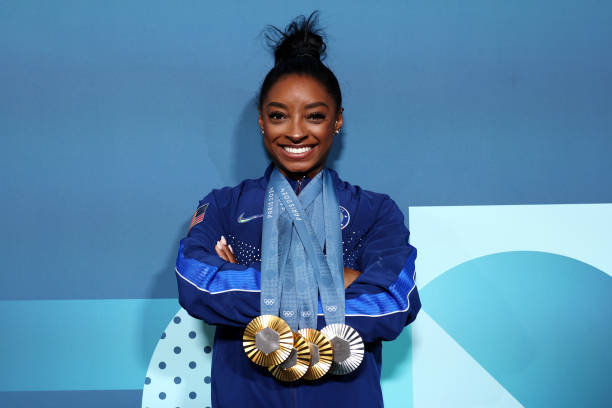
“Simone Biles BREAKS HER SILENCE: Why She’s Stepping Away — And the Truth About a Shocking 2028 Olympic Return!”
The Update Wasn’t About Surgery or 2028. It Was About a Woman...
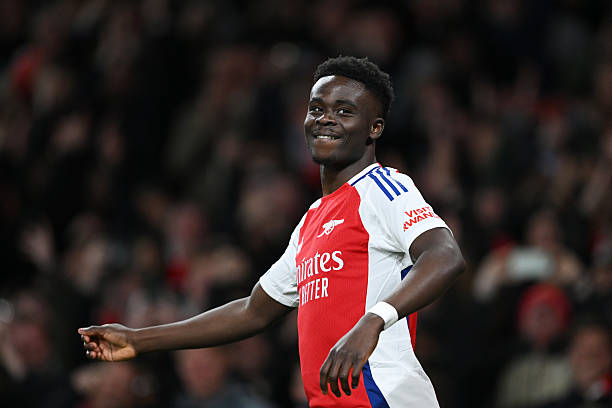
“SAKA’S BIGGEST YES EVER! Arsenal Superstar’s Stunning London Proposal BREAKS THE INTERNET!”
On a field, under the screaming lights of the Emirates and Wembley,...
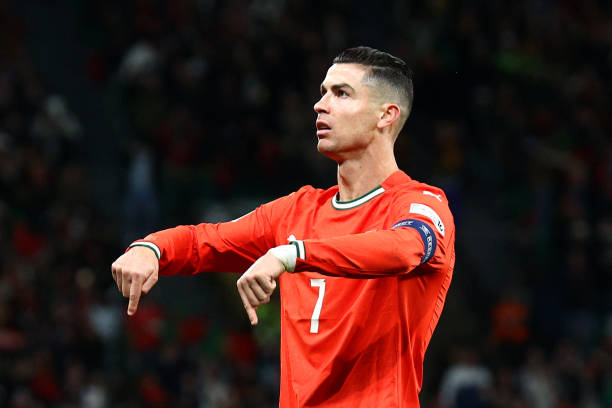
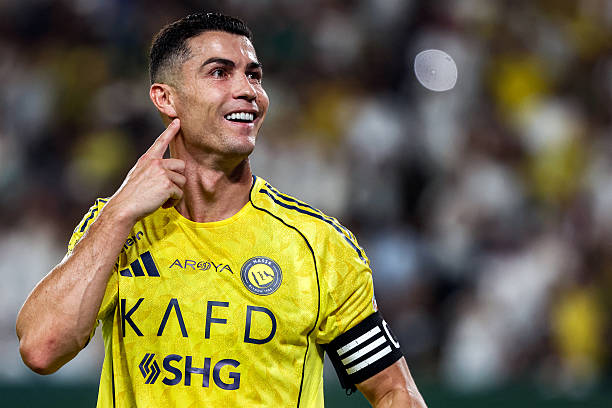
Ronaldo was named the “most marketable footballer in the world” for 2025 — at 40 years old, still dominating the business side of football globally.
On the pitch, they measure in goals and trophies. Off it, they...
- Transfer Updates
- Transfer Updates


















Leave a comment